Why We Fire Customers Who Don't Maintain Their Systems (And You Should Fire Your HVAC Company If They Let You)
I'm about to say something that might sound harsh:
If you refuse to maintain your HVAC system, we won't work with you long-term.
Not because we don't want your business. Not because we're being difficult. But because allowing you to neglect your system sets us both up for failure.
We learned this lesson the hard way.
Years ago, we'd install or repair systems for customers, recommend annual maintenance, and when they declined, we'd shrug and say, "Okay, call us when you need us."
Then, inevitably, the system would fail prematurely. Major repair needed. Customer shocked by the cost. Customer upset that "it should have lasted longer."
And even though we'd recommended maintenance (which they'd declined), we'd feel responsible. Relationship strained. Customer unhappy. Us frustrated.
That's when we realized: Enabling neglect doesn't help anyone.
So we changed our approach. Now, if a customer consistently refuses maintenance after we've installed or repaired their system, we politely explain that we can't continue the relationship.
Not out of anger. Out of respect—for the equipment, for the customer's long-term investment, and for ourselves.
Today I'm going to explain why maintenance isn't optional, why HVAC companies that let you skip it are doing you a disservice, and why accountability has to run both ways.
Why Maintenance Actually Matters (The Science)
Let me start by establishing this isn't about generating revenue. It's about physics and mechanical reality.
Your HVAC system is a complex machine operating in extreme conditions:
Outdoor unit sits in 110-degree heat, direct sun, dust, cottonwood seeds, and debris
Indoor coil operates in temperature extremes (140-degree attic vs. 75-degree living space)
Refrigerant cycles constantly under high pressure
Electrical components handle significant amperage in harsh conditions
Moving parts wear down over thousands of hours of operation
Without maintenance, here's what happens:
Year 1: Subtle Degradation
Outdoor coil accumulates dirt and debris (10-15% efficiency loss)
Condensate drain begins growing algae
Capacitor starts declining from rated microfarads
Refrigerant may develop slow leak (vibration, corrosion)
Filter restricts airflow if not changed regularly
System still works. You don't notice anything wrong.
Year 2-3: Compounding Problems
Dirty coil reduces heat transfer significantly (25-35% efficiency loss)
Reduced airflow causes evaporator coil to run colder, occasional icing
Capacitor weakens further, compressor works harder
Condensate drain slows, occasional overflow
Electrical connections corrode slightly, resistance increases
System works but runs longer and less efficiently. Bills increase. Comfort declines slightly.
Year 4-5: Cascade Failures Begin
Compressor has been working overtime for years due to reduced airflow and dirty coils
Capacitor fails (they're rated for 3-5 years but yours has been stressed)
Condensate drain clogs completely, safety switch shuts system down
Blower motor bearings wear prematurely from debris and strain
Contactor pitting accelerates from voltage irregularities
Major repairs needed. Customer shocked by costs. "But it's only 5 years old!"
Year 6-8: Premature System Death
Compressor fails catastrophically ($2,500-$4,000 repair, often not economical)
Multiple components need replacement
System that should last 15-18 years dies in under 10
Neglect didn't save money. It cost thousands in premature replacement.
The Real Cost of Skipping Maintenance
Let me show you the actual numbers over a system's lifespan:
Scenario A: Regular Maintenance
18-year system lifespan (normal with care):
Annual maintenance: $175/year × 18 years = $3,150
Average planned repairs during lifetime: $800
System lasts full 18 years
Total 18-year cost: $3,950
Scenario B: No Maintenance
9-year system lifespan (typical without care):
No maintenance: $0
Emergency repairs: $1,800 (multiple unexpected failures)
Premature system replacement at year 9: $10,000
Second system now needs maintenance to last (previous behavior repeats)
Total 18-year cost: $11,800 (first system) + ~$6,000 (second system) = $17,800
Maintenance "costs" $3,150 over 18 years.
Neglect costs $17,800 over the same period.
The "savings" from skipping maintenance is actually a $14,650 loss.
Why Most HVAC Companies Don't Enforce Maintenance
If maintenance is so critical, why don't all HVAC companies require it?
Reason 1: They Make More Money on Repairs
Blunt truth: Reactive repairs are more profitable than preventive maintenance.
Maintenance visit: $175, low margin, predictable
Emergency repair: $400-$800, high margin, profitable
A company focused purely on profit maximization would rather you skip maintenance and call for expensive repairs.
They're not incentivized to keep your system running well.
Reason 2: They Don't Want to Seem "Pushy"
Many contractors fear being seen as pushy or salesy if they insist on maintenance.
"The customer said no, so we respect that."
But here's the thing: A doctor doesn't "respect" your decision to skip critical medication. They explain why it's necessary and the consequences of refusal.
HVAC systems are the same. If you skip maintenance, there are consequences. Pretending otherwise isn't respect—it's enabling.
Reason 3: They Don't Think Long-Term
Many HVAC companies operate transactionally: install, collect payment, move to next job.
They don't care if your system fails in 7 years instead of 15 because they won't be around or won't remember.
They're not invested in your long-term success.
Reason 4: They Don't Actually Do Real Maintenance
Some companies offer cheap "tune-ups" that are really just sales calls:
15-minute visual inspection
Check for upsell opportunities
No real cleaning or testing
"Maintenance" that doesn't actually maintain
If your "maintenance" doesn't include thorough coil cleaning, refrigerant testing, electrical testing, and calibration, it's not real maintenance.
What Real Maintenance Actually Includes
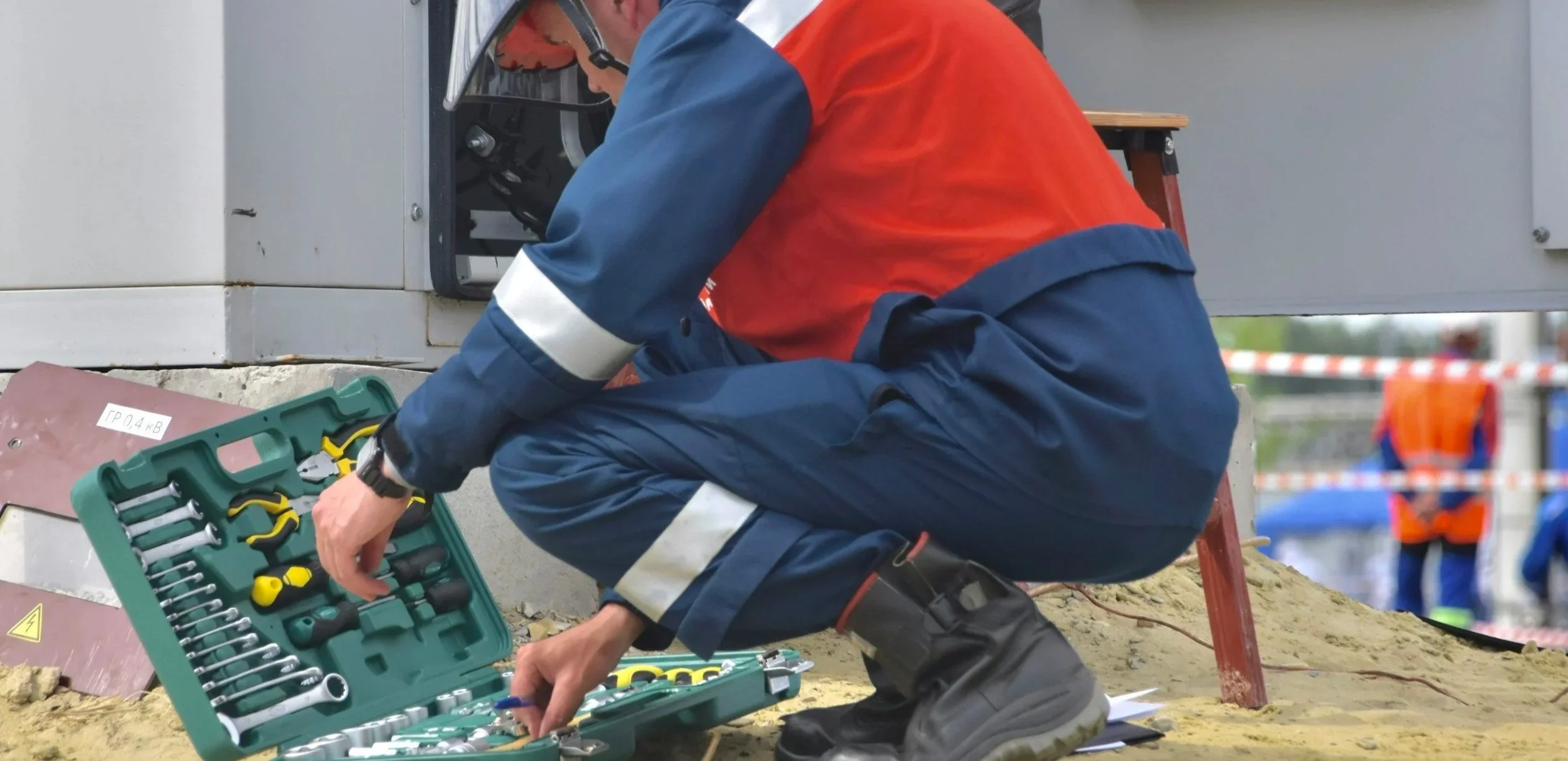
Since we're talking about accountability, let's be clear about what proper maintenance requires:
Our Annual Maintenance Visit (90-120 minutes):
Outdoor Unit:
Coil cleaning (not just rinsing—actual chemical cleaning)
Refrigerant pressure and temperature testing
Compressor amp draw testing
Capacitor microfarad testing
Contactor inspection and cleaning
Electrical connection tightening
Fan motor bearing check
Clearance and debris removal
Indoor Unit:
Evaporator coil inspection and cleaning
Blower wheel cleaning
Blower motor amp draw testing
Filter inspection/replacement
Drain line cleaning and treatment
Condensate pump testing (if applicable)
System-Wide:
Thermostat calibration
Ductwork visual inspection (where accessible)
Airflow measurements
Temperature split verification
Safety control testing
Documentation:
Detailed report of findings
Photos of any concerns
Recommendations for any issues found
Trending data (compare to previous visits)
This isn't a quick visual inspection. This is actual preventive maintenance.
And it costs $175 because it requires skilled labor, proper tools, and 90+ minutes
When We "Fire" Customers (And Why)
We don't fire customers lightly. But there are situations where continuing the relationship doesn't make sense:
Pattern 1: Repeated Refusal
We install or repair a system. We recommend maintenance. Customer declines.
Year 2: System has minor issue. We fix it. We recommend maintenance. Customer declines.
Year 3: System has bigger issue. We fix it. We strongly recommend maintenance. Customer declines.
At this point, we have a conversation:
"We've worked together for three years now. We've recommended maintenance each time, and you've consistently declined. That's your right. But I want to be transparent: without maintenance, this system will continue having problems. We're treating symptoms, not preventing causes. If you're not willing to invest in prevention, I'm not confident we can provide the value you deserve. I think you'd be better served by a company that operates reactively, which isn't how we work."
It's not a punishment. It's an honest mismatch of philosophies.
Pattern 2: Maintenance Neglect + Unrealistic Expectations
Customer declines maintenance for years, then calls with a major failure and is angry about the cost.
"This shouldn't have failed. It's only 6 years old!"
The conversation:
"You're right that systems should last longer than 6 years. With proper maintenance, they last 15-18 years. But this system hasn't been maintained since we installed it. We've recommended it every year. Without maintenance, 6-7 years is actually typical lifespan. If we continue working together, maintenance needs to be part of the plan—otherwise, we'll be having this same conversation in a few years."
If they're not willing to change behavior, we part ways.
Pattern 3: Cherry-Picking Service
Customer calls only when there's a problem. Ignores all recommendations. Shops around for cheapest quote on repairs. Treats us like a commodity.
The conversation:
"We appreciate your business, but I don't think we're the right fit. It seems like you're looking for the cheapest option on each repair, which is fine—but that's not what we offer. We focus on long-term relationships, preventive care, and quality work. I think you'd be happier with a company that operates on a per-call, cheapest-bid model."
Again, not angry. Just honest about misalignment.
What We Expect from Customers (And What They Should Expect from Us)
If we're going to hold ourselves accountable for quality work, we need customers to hold up their end too.
What We Ask of Customers:
Annual maintenance (at minimum)
Filter changes every 1-3 months (we provide reminders)
Prompt attention to small problems before they become big ones
Open communication if something seems off
Reasonable expectations (systems wear out, parts fail, but we'll be fair)
What Customers Should Expect from Us:
Quality installation (proper sizing, correct installation, clean work)
Honest diagnostics (no scare tactics, no unnecessary upsells)
Thorough maintenance (not 15-minute sales calls)
Fair pricing (transparent, itemized, competitive)
Long-term partnership (we're here for the life of your system)
It's a two-way street. Both parties have to show up.
Red Flags: Your HVAC Company Might Be Failing You
Here's how to tell if your current HVAC company is enabling neglect rather than encouraging proper care:
Red Flag 1: They Never Mention Maintenance
If you've had the same company install or repair your system and they've never once recommended maintenance, they're not looking out for your long-term interest.
Red Flag 2: Their "Maintenance" Is Suspiciously Cheap or Fast
$49 tune-ups that take 15 minutes aren't real maintenance. They're sales calls.
If your maintenance visit doesn't include coil cleaning and takes less than an hour, you're not getting real value.
Red Flag 3: They Only Call When They Want to Sell Something
If your HVAC company only contacts you when they have a "special" or want to sell you a new system, they're not invested in your current system's health.
Red Flag 4: They Don't Keep Service Records
If they can't tell you when they last serviced your system or what they found, they're not tracking system health over time.
Proper maintenance includes trending data. Are pressures declining? Is capacitance dropping? Are temperatures drifting?
Red Flag 5: They Don't Educate You
A good HVAC company teaches you:
Why maintenance matters
What happens without it
How to recognize early warning signs
What you can DIY (filter changes) and what you can't
If your company never educates, they prefer you stay ignorant.
Our Maintenance Plan (Because Actions Speak Louder)
We don't just talk about maintenance. We make it easy:
Annual Maintenance Plan:
One thorough tune-up per year (spring for AC, fall for heating)
Priority scheduling (you get on the calendar first)
15% discount on any repairs needed
Filter change reminders via text
Detailed service reports with photos
Multi-year trending data
Cost: $175/year (less than $15/month)
Compare that to:
One emergency service call: $400-$800
Premature compressor replacement: $2,500-$4,000
Full system replacement 8 years early: $10,000
$175/year is the best insurance you can buy for your HVAC system.
And if you don't see value in it after the first year, we'll refund your money. No questions asked.
That's how confident we are that proper maintenance delivers value.
The Real Reason We Insist on Maintenance
Here's the thing: we don't make a killing on maintenance plans. Margins are thin. It's not a huge profit center.
We insist on it because:
1. Our Customers Are Happier
When systems don't break down unexpectedly, customers are happier. No emergency stress. No surprise bills. No family discomfort.
Happy customers = long-term relationships.
2. Our Work Reputation Is Protected
When systems are maintained and last 15-18 years, people remember our quality installation.
When systems fail in 7 years due to neglect, people still blame the installation—even if the real problem was lack of care.
Maintenance protects our reputation.
3. Our Schedule Is Predictable
Preventive maintenance is scheduled. Emergencies are chaotic.
We'd rather plan our weeks around maintenance appointments than constantly react to crisis calls.
It's better for our team and our families.
4. We Sleep Better at Night
When we know our customers' systems are maintained and healthy, we're not worried about impending failures.
We're confident in the work we've done and the care plan in place.
5. It's the Right Thing to Do
At the end of the day, we got into this business to take care of people's homes and families.
Letting systems deteriorate through neglect isn't taking care of anyone.
It's easier in the short term to just accept whatever the customer wants. But easier isn't the same as right.
"Righteous" means doing what's right, even when it's harder.
The Bottom Line
Maintenance isn't optional. It's not a revenue scheme. It's not negotiable.
It's the difference between a system that lasts 18 years and one that dies at 8.
If your HVAC company doesn't insist on maintenance—or worse, actively discourages it—they're not looking out for you. They're either lazy, focused on short-term profits, or don't understand system longevity.
Fire them and find someone who cares enough to hold you accountable.
And if you're a homeowner who's been skipping maintenance, I want you to hear this without judgment:
You're not saving money. You're delaying a much bigger expense.
The system you have is a $10,000-$15,000 investment. Annual maintenance is $175.
Protect your investment. Prevent the emergency. Take care of your system, and it'll take care of your family.
That's the deal. Both sides have to show up.
Ready to Stop Neglecting Your System?
If you're ready to get on a proper maintenance plan and ensure your system lasts as long as it should, we'd love to help.
Call (951) 555-HVAC or text "MAINTAIN" to that number.
Let's set up your annual tune-up and start building a long-term partnership where both of us do our part.
No more neglect. No more emergencies. Just proactive care and systems that last.
Righteous Heating & Cooling
Murrieta, CA | Licensed, Bonded, Insured
Lic. #123456
Do you maintain your HVAC system? Why or why not? If you do, has it made a difference? I'd love to hear from both perspectives.